
Línea 02 · Diseño UI/UX
Diseño UI/UX
Interfaces que se sienten obvias y convierten. Investigación, diseño e iteración — hasta que el usuario no tenga que pensar dos veces.
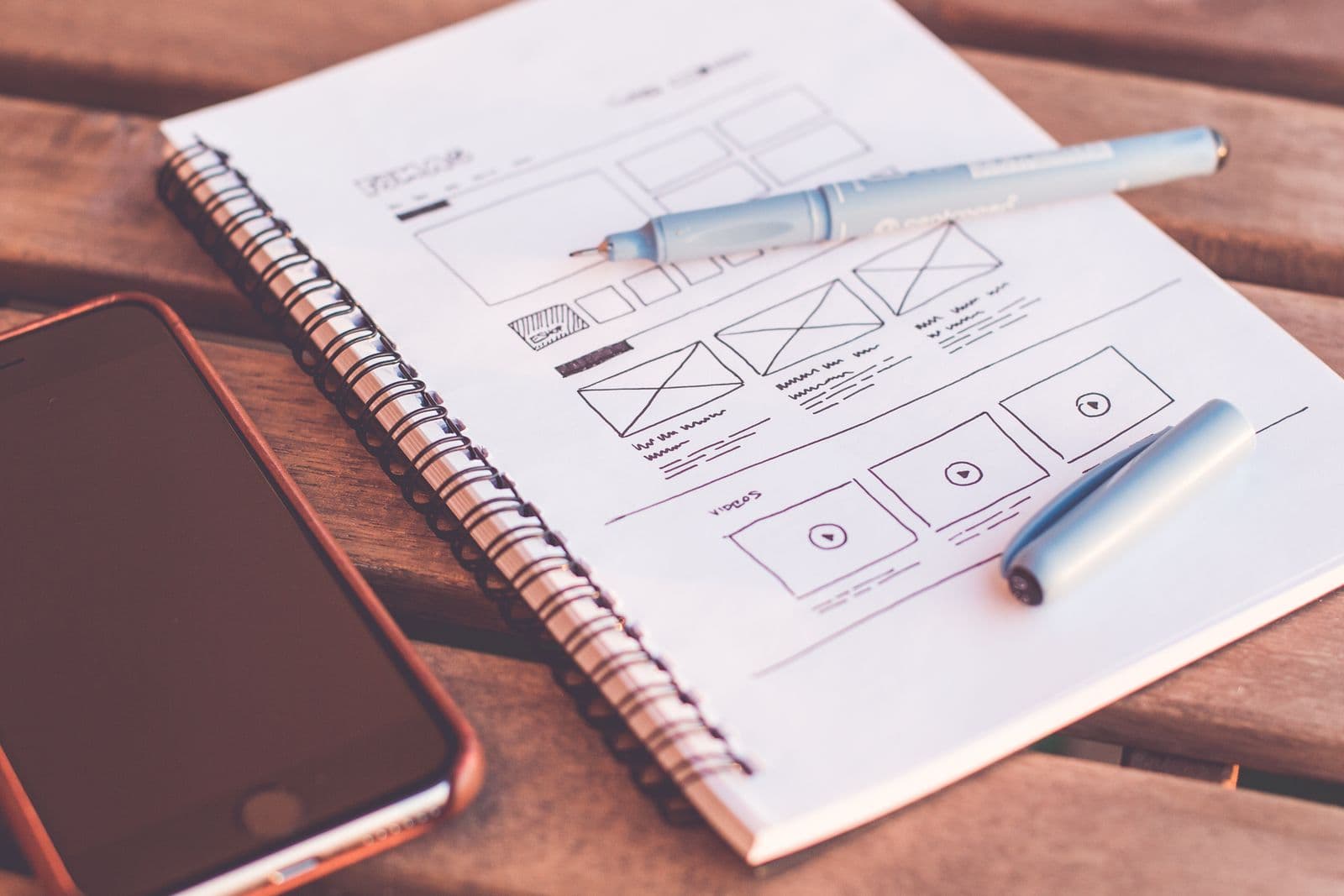
pantallas rediseñadas en proyectos de e-commerce y SaaS
de aumento promedio en conversión en landing pages rediseñadas
design systems entregados con tokens y componentes documentados
Caso destacado
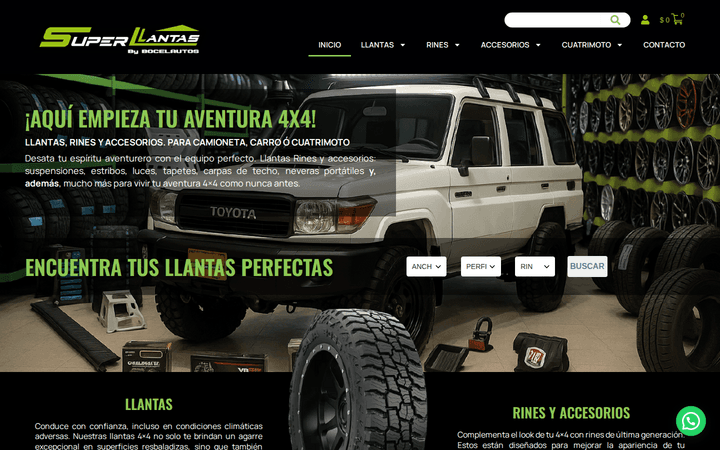
Superllantas by Socelautos
Tienda online + sistema de productos para un minorista de llantas off-road, con inventario sincronizado y filtros visuales por ancho, perfil y rin.
Ver el caso completo →Lo que pongo sobre la mesa
Investigación UX
Entrevistas con usuarios, encuestas, pruebas de usabilidad y análisis competitivo. Indago en el comportamiento real para que el diseño parta de evidencia, no de supuestos.
User flows y wireframes
Flujos de extremo a extremo que hacen obvio el siguiente paso. Wireframes que cierran la estructura antes de que los píxeles tomen el control.
Diseño de interfaces
UI lista para producción en Figma con sistemas de tipografía, color y espaciado. Componentes que aguantan cualquier tamaño de pantalla.
Optimización de conversión
Cada pantalla tiene un trabajo. Itero sobre copy, layout y jerarquía de CTAs para que el camino a la conversión sea corto y obvio.
Design systems
Tokens, componentes y documentación para que diseño e ingeniería hablen el mismo idioma. Menos drift, entregas más rápidas.
Pruebas de usabilidad
Sesiones moderadas y no moderadas. Usuarios reales, tareas reales, métricas reales. Convierto los hallazgos en un backlog accionable para tu equipo de desarrollo.
Cómo trabajo
Cinco pasos, en cada proyecto. El mismo ritmo tanto si entregas un fix de una pantalla como un rediseño de producto completo.
Usuario + negocio
Empiezo entendiendo al usuario y al negocio al mismo tiempo — ninguno importa sin el otro. Empatía por el cliente, ojo clínico para los números.
Mapear el flujo
Una vez mapeado el journey y fijado el flujo, avanzo rápido sobre wireframes. Barato de cambiar, caro de saltarse.
Sistema primero
El diseño visual llega después de que la estructura es sólida. Construyo un sistema claro de tipografía y espaciado para que las pantallas se sientan consistentes sin ser repetitivas.
Testear con cinco
Cada interfaz se testea. Cinco usuarios detectan el 85 % de los problemas de usabilidad, y el resto se incorpora al siguiente sprint.
Después de la entrega
El diseño no termina en la entrega. Me siento con ingeniería, reviso cada PR y ajusto el producto en vivo cuando entran datos del mundo real.
Herramientas con las que trabajo
- Figma
- Maze
- Hotjar / Microsoft Clarity
- Notion / Confluence
- Google Analytics 4
- TypeScript y Tailwind (para handoff de diseño y prototipos)
Frequently asked questions
Common questions about audits, redesigns, research, and handoff.
What is the difference between a UX audit and a UX redesign?
A UX audit is a written report: what is wrong, why it is wrong, what to change, and in what order. You hand it to your dev team (or to me) and they implement. A UX redesign is the same analysis plus a fully designed replacement in Figma that gets implemented directly. Most clients start with the audit, see the value, then move to the redesign.
How long does a UX redesign take?
A focused landing page redesign ships in 1 to 2 weeks. A full app redesign (5 to 20 key screens, design system, prototype, handoff) ships in 3 to 6 weeks. The audit before the redesign adds another 1 to 2 weeks. Rushing past those numbers is how you get redesigns that look pretty but do not actually move the metrics you said you cared about.
Do you do user research, or just design from best practices?
Both, depending on the budget. For most projects, a research round (5 to 8 user interviews + a synthesis) doubles the cost but also doubles the chance the redesign actually changes behavior. For smaller projects, I skip the interviews and design from analytics + session recordings + heuristic best practice. The call is yours; I will recommend the option that fits the risk.
What tools do you work in?
Figma for design, FigJam for whiteboarding, Maze or Useberry for unmoderated usability tests, Hotjar or PostHog for session recordings and heatmaps, Notion for written reports and design systems documentation. I do not use Sketch, Adobe XD, or any tool that locks your design files into a vendor format.
Can you hand off the design to my existing development team?
Yes. The handoff includes a Figma file with auto-layout, a documented design system (colors, type, spacing, components), a prototype for the flows that need to feel right before build, and a recorded walkthrough. I stay available during the build for clarifications but am not the developer on your side.
What if I already have a design and just need it implemented well?
That is the simpler version of the same engagement. I push back on the Figma early — anywhere the design will not survive code, I flag it before build so we do not discover the problem mid-sprint. Then I implement against the approved Figma with weekly demos and a final QA pass.

Desbloqueemos juntos lo que tu negocio puede dar
¿Listo para dejar de hacer a mano lo que podrías automatizar en segundos? Mapeemos tu primer flujo.
Agenda una llamada de estrategia gratis